admin
admin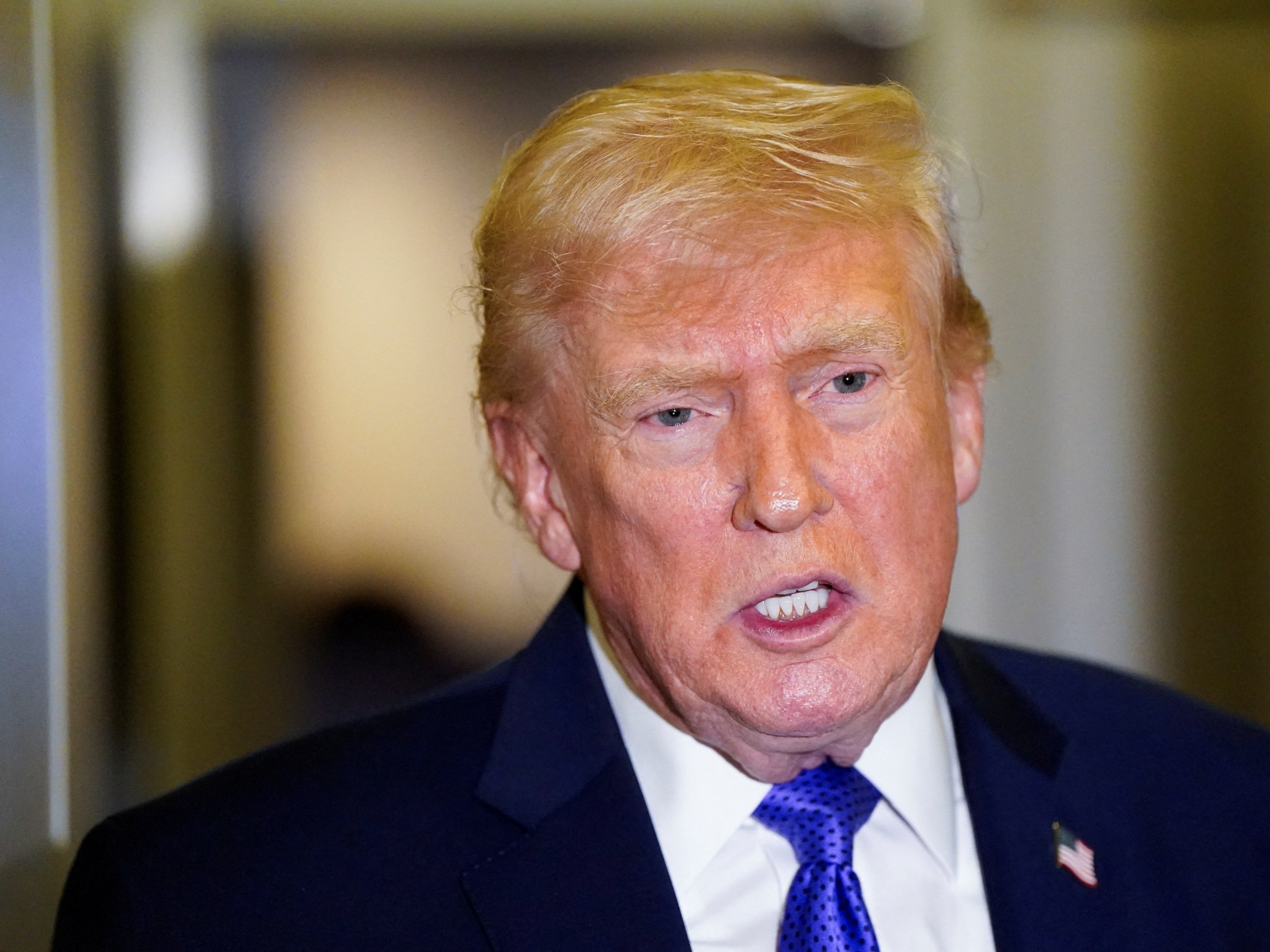
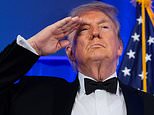
United States President Donald Trump has said that he will be involved “indirectly” in the second round of the ongoing high-stakes nuclear talks between Iran and Washington in Geneva.
Trump’s comments on Monday came as Iranian Minister of Foreign Affairs Abbas Araghchi travelled to the Swiss city for meetings ahead of the indirect talks with the US, which started on Tuesday.
Recommended Stories
list of 4 items
- list 1 of 4Iran launches naval drills ahead of US nuclear talks
- list 2 of 4Iran FM in Geneva for US talks, as IRGC holds drills in Strait of Hormuz
- list 3 of 4Netanyahu calls for dismantling Iran’s nuclear programme in any US deal
- list 4 of 4Iran seeks to get out of FATF blacklist amid domestic political divisions
end of list
Tensions in the Gulf region remain high ahead of the crucial negotiations, with the US deploying a second aircraft carrier to the region and Iranian Supreme Leader Ayatollah Khamenei warning that any attack on Iran would prompt a regional war.
Trump told reporters on board Air Force One that the discussions on Tuesday were significant.
“I’ll be involved in those talks, indirectly. And they’ll be very important,” he said. “Iran is a very tough negotiator.”
Asked about the prospects for a deal, Trump said Iran had learned the consequences of its tough approach last June, when the US joined in Israel’s 12-day war on Iran and bombed three of its nuclear sites.
The attacks came amid indirect talks between Iran and the US on Tehran’s nuclear programme and resulted in their derailment.
However, Trump suggested Tehran was motivated to negotiate this time. “I don’t think they want the consequences of not making a deal,” he said.
Despite the US president’s comments about Iran seeking an agreement, the talks face major potential stumbling blocks. Washington has demanded that Tehran forgo uranium enrichment on its soil and has sought to expand the scope of talks to non-nuclear issues, such as Iran’s missile stockpile.
But Tehran, which insists that its nuclear programme is for peaceful purposes, has said it is only willing to discuss curbs on its programme in exchange for sanctions relief. It has said it will not accept zero uranium enrichment and that its missile capabilities are off the table.
‘Fair and equitable deal’
Araghchi, who arrived in Geneva earlier on Monday, said he was in the city “with real ideas to achieve a fair and equitable deal”. He added, in a post on X, “What is not on the table: submission before threats.”
The Iranian diplomat also met with the head of the International Atomic Energy Agency (IAEA), Rafael Grossi, in Geneva for a round of technical discussions. Tehran had suspended cooperation with the United Nations watchdog body after the US and Israel’s attacks on its nuclear sites.
The IAEA has been calling on Iran for months to say what happened to its stockpile of 440kg (970 pounds) of highly-enriched uranium following the Israeli-US strikes and to let inspections fully resume, including in three key sites that were bombed: Natanz, Fordow and Isfahan.
Tehran has allowed IAEA some access to the sites that were not damaged, but has not allowed inspectors to visit other sites, citing a potential risk of radiation.
Al Jazeera’s Resul Serdar, reporting from Tehran, said there was “optimism” in the Iranian capital ahead of the talks.
“Officials here say the Iranian delegation in Geneva includes fully authorised economic, legal, political and technical teams. This signals that the Iranian side is ready for some serious concessions, particularly regarding its nuclear programme,” he said.
But Serdar noted that the talks come in the face of a massive US military build-up in the region, which continues to grow. The Iranians, too, he said, were not “stepping back”, with the powerful Iranian Revolutionary Guard Corps (IRGC) launching military drills in the Strait of Hormuz in the Gulf on Monday.
Iran has repeatedly threatened to close the Strait of Hormuz, a vital international waterway and oil export route from Gulf Arab states, in retaliation against any attack. The move would choke a fifth of global oil flows and send crude prices sharply higher.
Iran has also threatened to strike US military bases in the region in the event of an attack, promoting concerns of a wider war.
“This military escalation is going on in parallel with the diplomatic engagement. The regional countries are also stepping up diplomacy, because they have their concerns and they have their own fears,” Serdar said.

 newspost