admin
admin
Arts Council England has been accused of abandoning artistic excellence in favour of bureaucratic box-ticking after a damning review found it was attempting to ‘change society’ rather than support great art.
The watchdog, which hands out more than £450million a year in public funding, came under fire in a report by Baroness Hodge, the former Labour culture minister, who was asked to examine how the quango distributes its money.
Baroness Hodge wrote that she felt the initiative led to organisations feeling forced to ‘tick all the ACE boxes to secure funding’, and suggested the strategy be replaced with ‘a new, less prescriptive’ model.
Her review concluded that the organisation had drifted away from its founding purpose, with evidence suggesting that art itself had been pushed into the background.
Witnesses told the review that Arts Council England (ACE) was ‘trying to change society rather than facilitating great art’, with excellence repeatedly sidelined.
Under its current funding rules, arts organisations must demonstrate support for ‘diversity’ before they can qualify for pubic money – a precondition that critics say has driven a culture of compliance rather than creativity.
Those rules have filtered through the sector, leading to a number of controversial decisions by ACE-funded bodies.
Pheasants were labelled ‘queer’ in an LGBT guide produced by the Hastings Queer History Collective, while the English Touring Opera dropped 14 white musicians in a bid to increase diversity.
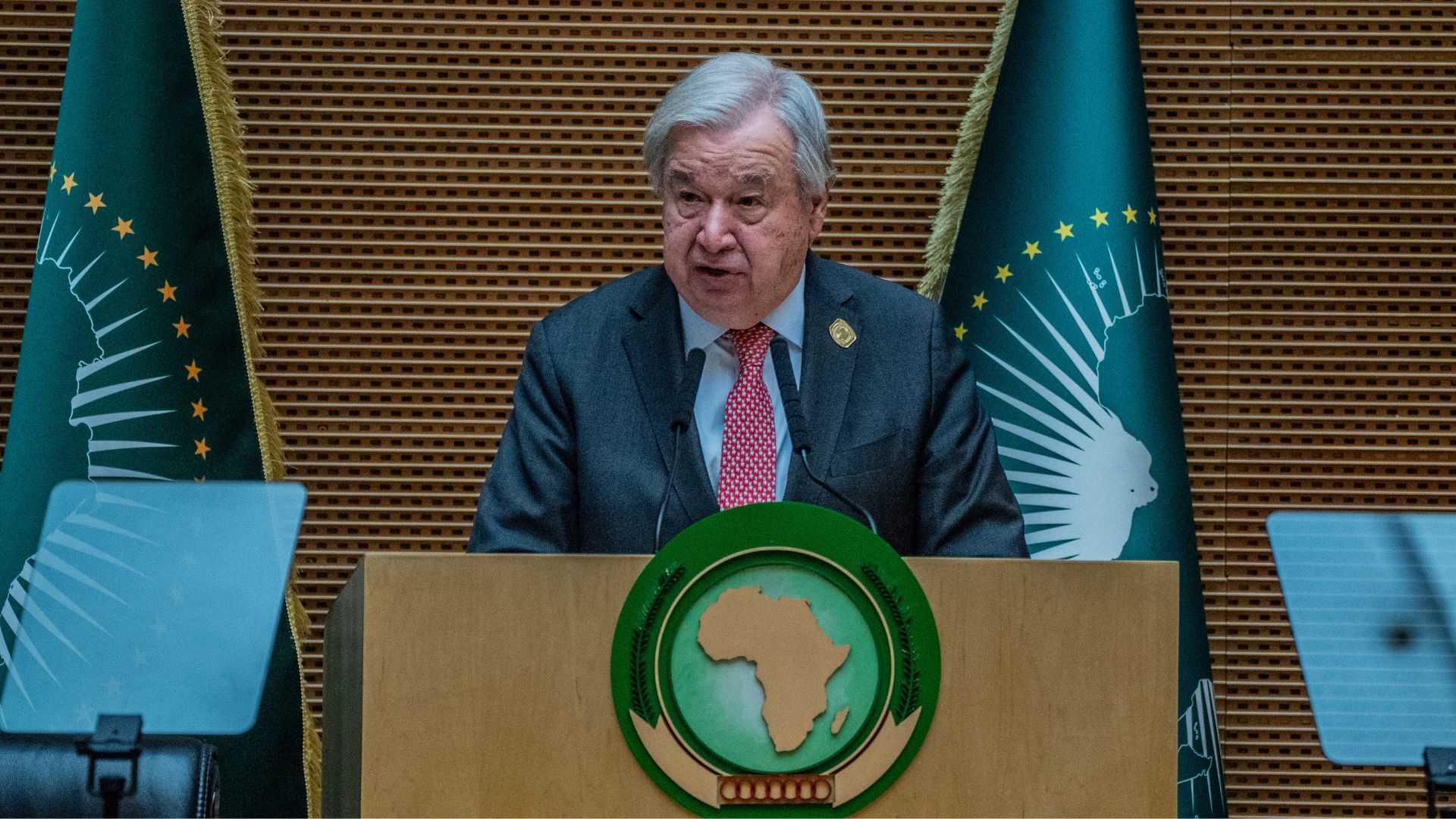
Baroness Hodge (pictured) wrote that she felt the initiative led to organisations feeling forced to ‘tick all the ACE boxes to secure funding’, and suggested the strategy be replaced with ‘a new, less prescriptive’ model
Organisations reliant on ACE funding have made controversial decisions: the LGBT guide produced by Hasting Queer History Collective labelled pheasants ‘queer’
Both organisations receive Arts Council backing.
Baroness Hodge’s review heard that ACE was ‘pursuing access to culture in an instrumentalist way and had lowered the priority given to the pursuit of artistic excellence. Art and excellence were sidelined’.
It was also told that many in the sector felt excellence had been ‘downgraded’, with ACE appearing more concerned about organisations ‘meeting its bureaucratic targets, rather than demonstrating artistic innovation’.
Arts groups said they felt compelled to ‘tick boxes to secure funding’, with red tape increasingly dominating their relationship with the funding body.
The report highlighted longstanding frustrations over bureaucracy.
Earlier this year, the prestigious Wigmore Hall walked away from £344,000 of Arts Council funding, saying it would rather forego the money than accept ‘crippling’ administrative demands.
Many organisations blamed ACE’s flagship funding strategy, Let’s Create – introduced in 2020 and due to run until 2030 – for much of the paperwork burden.
Baroness Hodge recommended that it be replaced with a ‘new, less prescriptive strategy’, alongside a simplified funding model with layers of bureaucracy stripped away.
The report stresses that while ACE should be retained, the Government must strengthen the arm’s length principle ‘to ensure that arts funding is protected from politicisation’.
Baroness Hodge wrote: ‘There have been attempts to exert more political control over ACE decisions in recent years and this has to stop.
‘The Arts Council must remain free from political interference. This matters. It ensures that artistic freedom is protected, that creativity is not stifled and that public trust is maintained.
‘Political interference, even by those with the best of intentions, could lead to political bias, or even censorship.’
The review also concluded that decisions on funding should be devolved as far as possible to regional level, to reduce central control and increase responsiveness.
Culture Secretary Lisa Nandy welcomed the findings, saying the report ‘challenges us to do better’.
She said: ‘This review highlights the strengths of Arts Council England’s work, but it also challenges us to do better.
‘It sets out recommendations to strengthen support for artists, reach communities more effectively, and ensure that creativity is accessible to all. The Government will now consider these recommendations.’
Arts Council England chief executive Darren Henley accepted the criticisms, saying the review was ‘crystal clear’ about the need for change.
He said: ‘Today is a big day for artists and for cultural organisations.
‘Baroness Hodge’s review is crystal clear: both on the tremendous value that creative professionals, arts organisations, museums and libraries bring to our country, and on the changes that Arts Council England needs to make to serve them better.
‘We want people to spend less time on our paperwork and more time on their creative work. Our mission over the months to come is to roll up our sleeves and make that happen.’
The Society of London Theatre (SOLT) & UK Theatre co-chief executive Claire Walker added: ‘We welcome Baroness Hodge’s review and the potential to create a simplified, cohesive, and more strategic approach to public investment in culture.
‘We are delighted that the review has recognised the importance of Arts Council England’s position as an independent arm’s length body which allows art to be created in a space protected from politicisation.’
Elaine Bedell, chief executive of the Southbank Centre, said: ‘We warmly welcome Baroness Hodge’s review.
‘We strongly support her recommendation to retain the Arts Council and to strengthen the arm’s length principle to keep arts funding protected from politicisation.’