poster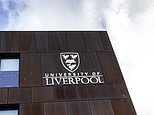
By CHRIS HASTINGS
Published: | Updated:
A University has been told it risks being labelled idiotic for warning students that they may find Shakespeare’s comedy Twelfth Night disturbing.
University of Liverpool cautions that the play – which features cross-dressing characters and has been enjoyed by audiences for more than four centuries – contains depictions of gender which are ‘significantly different to views held today’.
But last night one of Britain’s leading Shakespearean actresses, Dame Janet Suzman, 86, who played cross-dressing Viola in a 1974 production, said she could not understand the trigger warning.
‘Good heavens! This play on gender among the main characters is so modern, it might have been written yesterday,’ she said. ‘The Elizabethans thought nothing of this, and enjoyed the untangling of the plot as play, which is what it is.’
Historian Jeremy Black, author of England In The Age Of Shakespeare, added: ‘As the University of Liverpool so aptly but unintentionally notes, the views of some ‘on equality, diversity and inclusivity’ are unhelpful to an appreciation of national culture.
‘Unfortunately, the ‘some’ include the English Literature department of that university.
‘In practice, great works reveal universal truths through the generations, and most students are fully capable of understanding this and possibly think colleagues and teachers stuck in presentist fads idiotic.’
Felicity Kendal once played Viola in an acclaimed 1980 BBC TV production of the comedy, which opens with the line: ‘If music be the food of love, play on.’
University of Liverpool cautions that the play – which features cross-dressing characters and has been enjoyed by audiences for more than four centuries – contains depictions of gender which are ‘significantly different to views held today’
Felicity Kendal once played Viola in an acclaimed 1980 BBC TV production of the comedy, which opens with the line: ‘If music be the food of love, play on.’
Twins Viola and Sebastian become separated in a shipwreck and are marooned on the Mediterranean island of Illyria. Convinced her brother is dead, Viola disguises herself as a male steward called Cesario to find work in the court of Duke Orsino, who she then falls in love with. But the Duke, who has no idea Cesario is really a woman, continues to woo a countess, Olivia, who has no interest in him.
Olivia instead falls for Cesario, and then mistakenly elopes with the near-identical Sebastian after he belatedly arrives at court.
The characters’ true identities are revealed at the end of the play – believed to have been performed first for Queen Elizabeth I – and the Duke marries Viola and Olivia marries Sebastian.
The university’s warning is to students in a workshop on gender and identity, which is designed to provide ‘context’ for the play.
The university said: ‘Students need to understand the historical context of the texts. This workshop is an opportunity to explore attitudes to, and beliefs about, sex and gender in the late 16th and early 17th centuries – which are in many ways significantly different to views and beliefs held today.
‘This is helpful context for understanding a wide range of literary texts from that time. The workshop note on content lets students know that different views on gender and sexual difference will be explored.’