admin
admin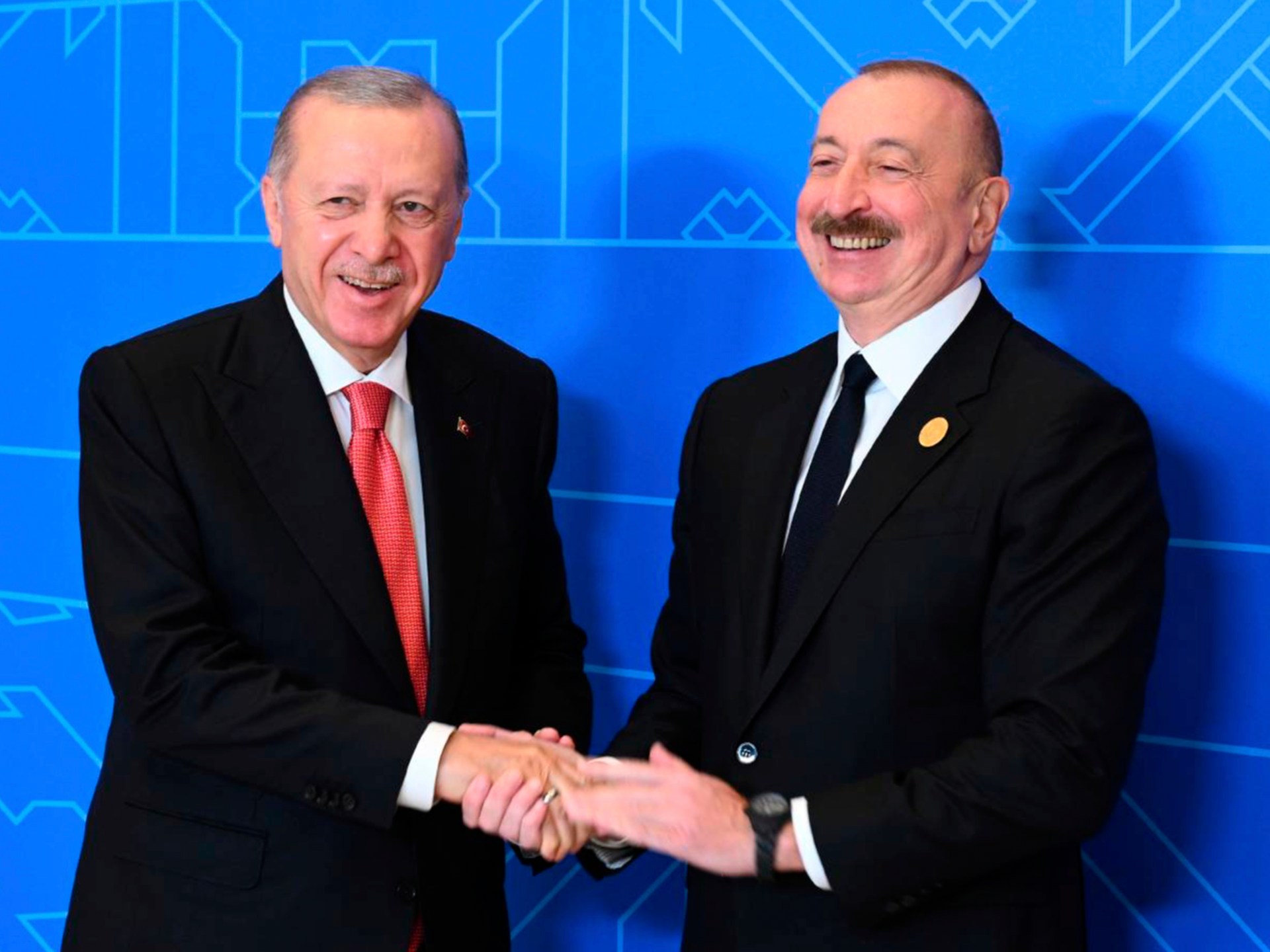
Azerbaijan’s defiance after a brutal police raid that victimised its citizens signals a regional revolt against Kremlin control.
The recent flare-up between Russia and Azerbaijan is far more than a diplomatic spat: It marks a potential turning point in the balance of power in the South Caucasus.
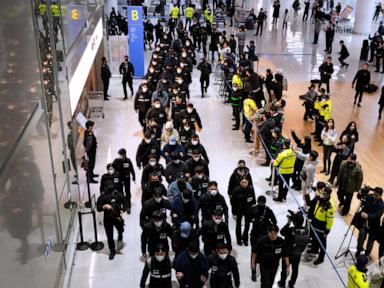
On June 27, Russian special forces conducted a violent raid on ethnic Azerbaijanis in Yekaterinburg, an industrial city in Russia’s Ural region. About 50 people were detained, several were reportedly injured, and two Azerbaijani brothers – Ziyaddin and Huseyn Safarov – died in custody under suspicious circumstances. Autopsies revealed blunt-force trauma and broken ribs, contradicting Russian claims that the men died of heart failure. Survivors reported beatings, electrocution, and degrading treatment. Far from being seen as a routine law enforcement action, the operation has been widely interpreted in Baku as a politically motivated act of intimidation – prompting sharp condemnation from Azerbaijani officials and a wave of anger from the public.
On July 1, Azerbaijan’s ambassador to Russia, Rahman Mustafayev, delivered a formal protest to Moscow, denouncing what he described as the unlawful killing and mistreatment of Azerbaijani citizens, including dual nationals. This diplomatic fallout unfolded just as Baku launched its own high-profile crackdown on organised crime – one that notably included the arrest of several Russian nationals, some reportedly linked to Kremlin-funded media outlets and others accused of cyberfraud and drug trafficking. Among those detained were local staff of Sputnik Azerbaijan, the state-run Russian news agency. While the two episodes are officially unrelated, the timing suggests Azerbaijan is signalling a rejection of external coercion and asserting its sovereignty with new intensity.
These developments reflect a deeper geopolitical shift. Russia’s traditional levers of influence in the post-Soviet space – military alliances such as the Collective Security Treaty Organisation (CSTO), energy dependency, and soft power through Russian-language media – are weakening. Strained by the war in Ukraine and international sanctions, the Kremlin has increasingly turned to diaspora policing, symbolic shows of strength, and nationalist rhetoric to maintain control. The Yekaterinburg raid appears to fit this pattern: A demonstration of power aimed at a former Soviet republic now carving out a more independent path.
Azerbaijan’s traditionally balanced foreign policy is now entering a more assertive phase. For years, Baku carefully navigated its relations with Russia, the West, and Turkiye. But the events of the past week have marked a clear shift: Azerbaijan is adopting a firmer stance against Kremlin pressure while deepening its strategic alignment with Ankara. This evolving alliance is not only strengthening bilateral ties but fostering broader regional integration through organisations such as the Organization of Turkic States (OTS).
The implications extend well beyond Azerbaijan. Moscow’s deteriorating relationship with Baku may trigger a wider realignment across Central Asia. Kazakhstan has already taken steps to distance itself from Russian influence, while Armenia, under Prime Minister Nikol Pashinyan, has publicly questioned the reliability of Russian security guarantees. Kyrgyzstan and Uzbekistan are simultaneously strengthening ties with Turkiye and China. In this context, Azerbaijan’s defiance signals not an isolated dispute, but a broader erosion of Moscow’s soft power across the former Soviet sphere.
For the Kremlin, traditional diplomatic tools are proving increasingly ineffective. In Azerbaijan, public outrage over the deaths in Yekaterinburg is helping shape foreign policy in ways that go beyond formal statecraft. Moscow now faces the real prospect of Baku firmly embedding itself in the Turkish geopolitical orbit – supporting projects such as the Zangezur corridor, and reinforcing a trans-Caspian Turkic axis stretching from Anatolia to Central Asia. This vision stands in stark contrast to the Kremlin’s fading Eurasian Economic Union (EAEU) project, which now looks more like a symbolic construct than a meaningful alliance.
Meanwhile, the media landscape has become another battleground. Russian state outlets – particularly firebrand figures like Vladimir Solovyov – have adopted openly anti-Azerbaijani rhetoric, stoking ethnic and religious tensions. These attacks blur the line between journalism and state propaganda, further inflaming bilateral tensions and undermining traditional diplomatic protocols.
Yet, amid the escalating tensions, Azerbaijan faces a rare strategic opportunity. If managed wisely, Baku can leverage this moment to strengthen its leadership role within the Turkic world and reset its relationship with Russia on more equal terms. In the years ahead, Azerbaijan has the potential to emerge not just as a key energy hub, but as a central geopolitical actor in the South Caucasus and beyond.
The Yekaterinburg raid is not simply a matter of domestic policing. It is a symptom of the accelerating breakdown of Moscow’s grip over its “near abroad”. What happens next – whether Russia adapts to the changing dynamics or attempts to reassert control through more coercive means – will shape the next chapter of Eurasian geopolitics. One thing is already clear: The regional balance of power is shifting, and Azerbaijan stands squarely at the centre of that transformation.
The views expressed in this article are the author’s own and do not necessarily reflect Al Jazeera’s editorial stance.