newspost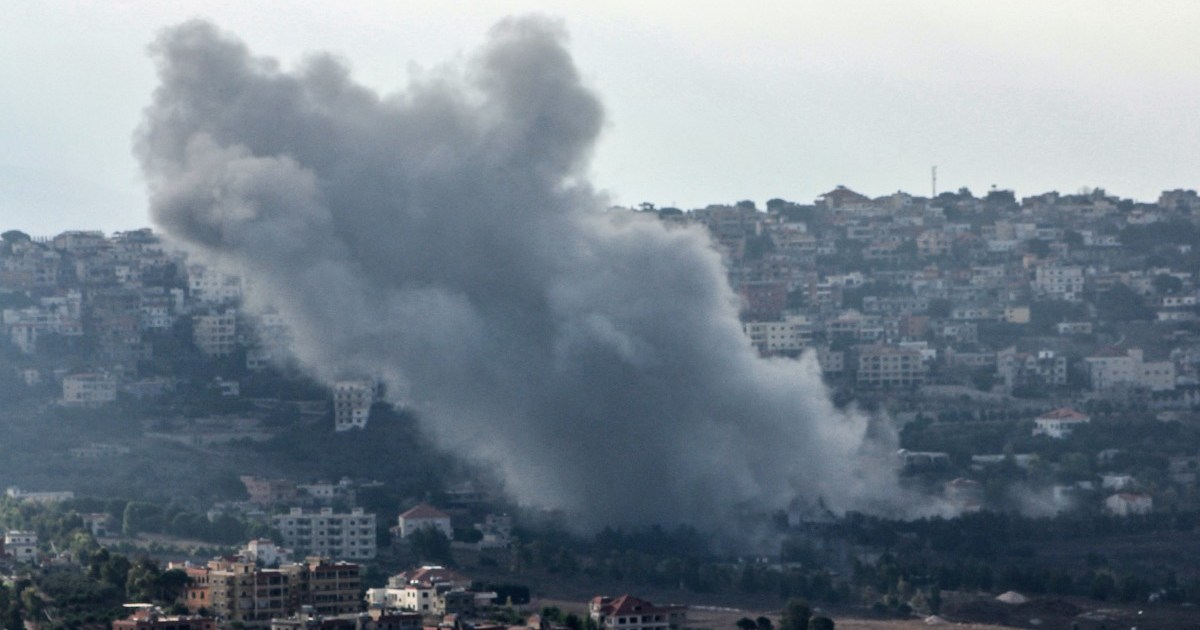
A longstanding, simmering conflict between Israel and the Lebanese group Hezbollah is escalating.
Overnight on Sunday, exchanges following devastating attacks on Hezbollah’s communication systems ratcheted up tension across the border, with chances of war imminent, according to Israeli Army former Brigadier General Amir Avivi.
What’s happening right now?
A lot.
On Saturday, an Israeli strike on the southern suburbs of Beirut killed 14, including a senior Hezbollah commander, and wounded 66.
Israel’s military says it launched 400 attacks on Lebanon overnight on Sunday, while Hezbollah says it fired rockets at the Ramat David airbase near the Israeli city of Haifa.
The Iran-allied Islamic Resistance in Iraq claimed to have launched al-Arqab missiles at Israeli bases, though no casualties are reported.
This was the second Israeli strike on Hezbollah targets in less than two months, the earlier killing two children and wounding 74 people to eliminate senior commander Fuad Shukr.
Why is this happening now?
Israel has announced it is turning its attention northwards, i.e. confronting Hezbollah, which has been engaging in a steady exchange of fire with Israel in support of its ally Hamas since Israel’s war on Gaza began in October.
Over the last week, Hezbollah has experienced two attacks on its communications systems that it blames on Israel, while Israel has dramatically increased troop numbers on its border.
On Wednesday, Israeli Defence Minister Yoav Gallant spoke of a “new phase” in the war on Gaza, announcing the deployment of the 98th Division, comprising 10,000 to 20,000 troops, to join Israel’s restive Northern Command of four armed brigades near the Lebanese border.
Gallant’s comments were the closest Israel has come to acknowledging responsibility for the two attacks on Hezbollah’s communication systems, the second still occurring as Gallant spoke.

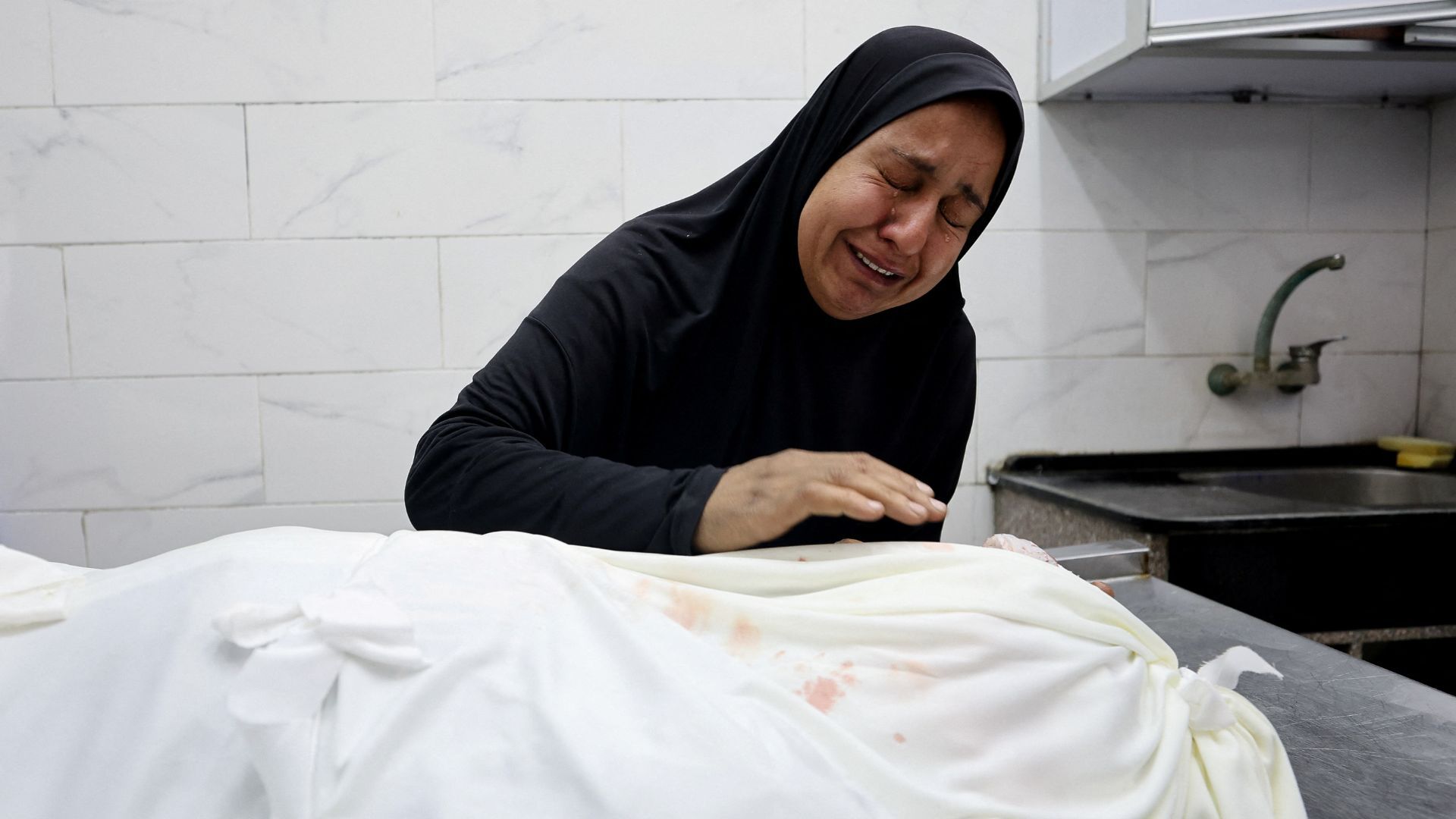
Between September 17 and 18, booby-trapped pagers and walkie-talkie radios belonging to Hezbollah were detonated, killing 37, including two children, and wounding and maiming thousands.
According to analysts who spoke to Al Jazeera, the attacks have created calls for a dramatic response from within Hezbollah, despite the group being compromised.
How might this escalate?
Alliances on the part of both Israel and Hezbollah could pull other actors in.
Hezbollah and Iran have worked in tandem since Hezbollah’s founding as a response to Israel’s invasion of Lebanon in 1982.
Israel, for its part, has consistently pitched its domestic battles with groups such as Hamas and Hezbollah as part of a wider battle against Iran.
Iran, while not yet nuclear-armed, is widely considered to be close to achieving that status after an agreement to limit the country’s nuclear development was abruptly dissolved by former US President Donald Trump in 2018.
Even without a nuclear weapons programme, Iran is one of the most powerful military forces in the region.
In addition to its network of alliances with groups such as Yemen’s Houthis and Gaza’s Hamas, Iran has one of the largest conventional armies in the region.
Working to counter Iranian influence in the region is the United States.
Irrespective of its unequivocal support for Israel, the US has frequently found itself on a conflicting path with Iran as each battles for regional influence.
What would it take for other states to become involved?
Both the US and Iran have repeatedly shown themselves to be aware of the risks any escalation might pose.
Despite Israeli provocations – such as the April 2024 air strike on Iran’s consulate in Damascus, Syria, and the killing of Hamas political leader Ismail Haniyeh in Tehran in July – Iran’s response to Israel has so far been tepid.

Retaliation to the April air strike was telegraphed long in advance and was mostly intercepted. No response to Haniyeh’s killing has been forthcoming.
In the wake of the pager attacks on Hezbollah members and innocent civilians, the commander of Iran’s Islamic Revolutionary Guard Corps, Hossein Salami, promised “a crushing response from the axis of resistance”.
The US, despite its unflagging support for Israel, has also shown itself to be aware of the risks of escalation.
US diplomats continue to play an active role in facilitating the indirect talks between Hamas and Israel to reach a ceasefire deal. US President Joe Biden even went so far as to announce a ceasefire deal in May, which at the time he attributed to Israel.
However, this has subsequently been rejected.
Are lawmakers in Israel seeking an escalation?
For many in Israel, after decades of tension and sporadic conflict, war with Hezbollah has already come to be seen as inevitable.
Of more immediate concern are the fates of the 60,000 or so residents of northern Israel evacuated after October 7 in anticipation of a similar offensive from Hezbollah to that undertaken by Hamas.
While that offensive did not happen, the steady exchange of rocket fire between the two has meant that Israel’s north is no longer safe for displaced families to return to.
Many have also accused Israeli Prime Minister Benjamin Netanyahu of seeking to prolong and escalate the current war for his own political ends.
Groups representing the families of those taken captive by Hamas on October 7 have repeatedly accused the prime minister of derailing potential ceasefire agreements – concerns echoed even by Biden, who suggested as much in June.
“Right now, there’s the most expensive game of chicken in the world taking place across the region,” political analyst Ori Goldberg said from Tel Aviv last week.
“It’s always framed as a kind of inevitability, one that the Israeli leadership can’t be held responsible for. They’re creating their own self-fulfilling prophecy.
“There’s no strategy, no vision, nothing. They’re just working it out day by day and assuming war will follow.”

 admin
admin